What is Astaxanthin?
Definition and Chemical Structure
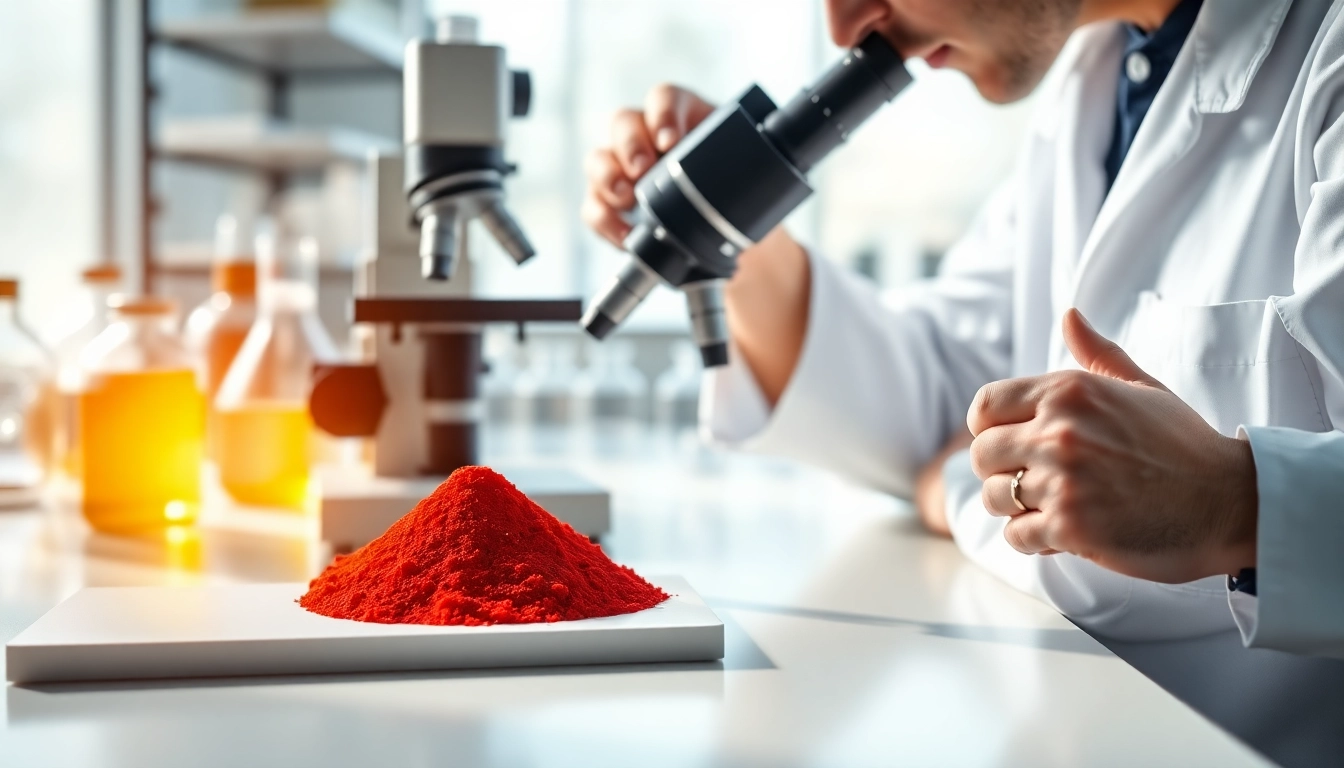
Astaxanthin is a powerful carotenoid pigment predominantly found in various marine organisms, including salmon, shrimp, and microalgae. This reddish-orange compound belongs to the xanthophyll family, characterized by its unique molecular structure, which consists of a long chain of conjugated double bonds. This complex structure grants astaxanthin remarkable antioxidant properties, allowing it to neutralize free radicals effectively, thereby playing a vital role in protecting cells from oxidative stress.
Sources of Astaxanthin
Astaxanthin is naturally occurring in several food sources. Some of the most prominent include:
- Microalgae: Haematococcus pluvialis is one of the richest sources of astaxanthin and is often used in supplements.
- Salmon: Wild-caught salmon exhibit higher levels of astaxanthin due to their diets, which include astaxanthin-rich crustaceans.
- Shrimp and Krill: These small marine crustaceans accumulate astaxanthin, contributing to their pink-orange coloration.
- Trout and Lobster: Both also maintain notable levels of this pigment through their diets.
How Astaxanthin Works in the Body
Once ingested, astaxanthin is absorbed in the intestines and distributed throughout the body via the bloodstream. It is lipid-soluble, enabling it to pass through cell membranes and exert its protective effects. The primary mechanism of action involves quenching reactive oxygen species (ROS) and enhancing the body’s natural antioxidant defense systems. This antioxidant activity can help reduce inflammation and improve overall cellular health.
Health Benefits of Astaxanthin Explained
Antioxidant Properties
Astaxanthin is renowned for its extraordinary antioxidant properties, being far superior to many other antioxidants such as Vitamin C and E. It is estimated to be 550 times more effective than Vitamin E in neutralizing free radicals. This potent effect helps mitigate oxidative stress, which can lead to chronic diseases like cancer, cardiovascular illnesses, and neurodegenerative conditions.
Potential Benefits for Skin and Aging
A significant area of research surrounding astaxanthin involves its benefits for skin health and anti-aging. Studies have indicated that astaxanthin can improve skin elasticity, hydration, and overall appearance. Its ability to protect skin from UV radiation helps reduce the visible signs of aging, such as wrinkles and fine lines. Regular consumption can enhance skin texture and provide UV protection, making it a popular ingredient in skincare products.
Astaxanthin and Eye Health
Astaxanthin's protective benefits extend to eye health as well. Its structural composition allows it to penetrate the blood-retinal barrier, providing antioxidant support directly to the eye tissues. Research has shown that astaxanthin may aid in reducing the risk of age-related macular degeneration and cataracts by mitigating oxidative damage to the retina, thus supporting overall vision health.
Risks and Side Effects
Possible Side Effects
While astaxanthin is generally considered safe for most individuals, some may experience mild side effects such as stomach upset, diarrhea, or changes in stool color due to its pigment nature. It is essential to start with lower doses and observe how your body reacts.
Interactions with Medications
Astaxanthin may interact with certain medications, particularly blood thinners and anti-diabetic drugs. Consulting a healthcare professional before integrating astaxanthin into your routine is advisable, particularly if you're on medication or have an underlying health condition.
Guidelines for Safe Use
For most adults, a daily dose of 4-12 mg of astaxanthin supplements is considered effective and safe. However, individuals should consult with a healthcare provider to determine the appropriate dosage based on personal health conditions and nutritional needs.
How to Incorporate Astaxanthin into Your Diet
Food Sources of Astaxanthin
Incorporating astaxanthin into your diet can be achieved by consuming the following foods:
- Wild-caught salmon
- Shrimp and crab
- Krill oil
- Astaxanthin-rich microalgae supplements
Supplements and Dosage Recommendations
For those who find it challenging to obtain sufficient astaxanthin from food sources, supplements are available in various forms, such as soft gels or powders. The typical recommended dosage ranges from 4 to 12 mg per day, depending on the individual's health goals and dietary intake.
Preparing Astaxanthin-Rich Meals
To maximize astaxanthin intake, consider including fish in oily preparations, such as grilling or baking salmon with spices or herbs. Pairing these dishes with healthy fats, like olive oil, may enhance absorption due to astaxanthin's lipid-soluble nature.
Frequently Asked Questions about Astaxanthin
What foods contain astaxanthin?
Astaxanthin is present in foods like salmon, shrimp, krill, and certain algae. Wild-caught salmon is one of the richest sources.
Is astaxanthin safe during pregnancy?
Generally, astaxanthin is considered safe, but consult with a healthcare provider before use during pregnancy or breastfeeding.
How does astaxanthin benefit exercise performance?
Astaxanthin may improve endurance, reduce muscle soreness, and support recovery due to its anti-inflammatory and antioxidant properties.
Can astaxanthin improve skin health?
Yes, research indicates that astaxanthin can enhance skin elasticity, hydration, and protection against UV damage, promoting overall skin health.
What is the recommended daily dose of astaxanthin?
The typical recommended dosage for astaxanthin is between 4 to 12 mg per day, depending on individual health goals and dietary intake.
For a deeper understanding of astaxanthin and its wide-ranging health benefits, astaxanthin explained offers comprehensive insights.