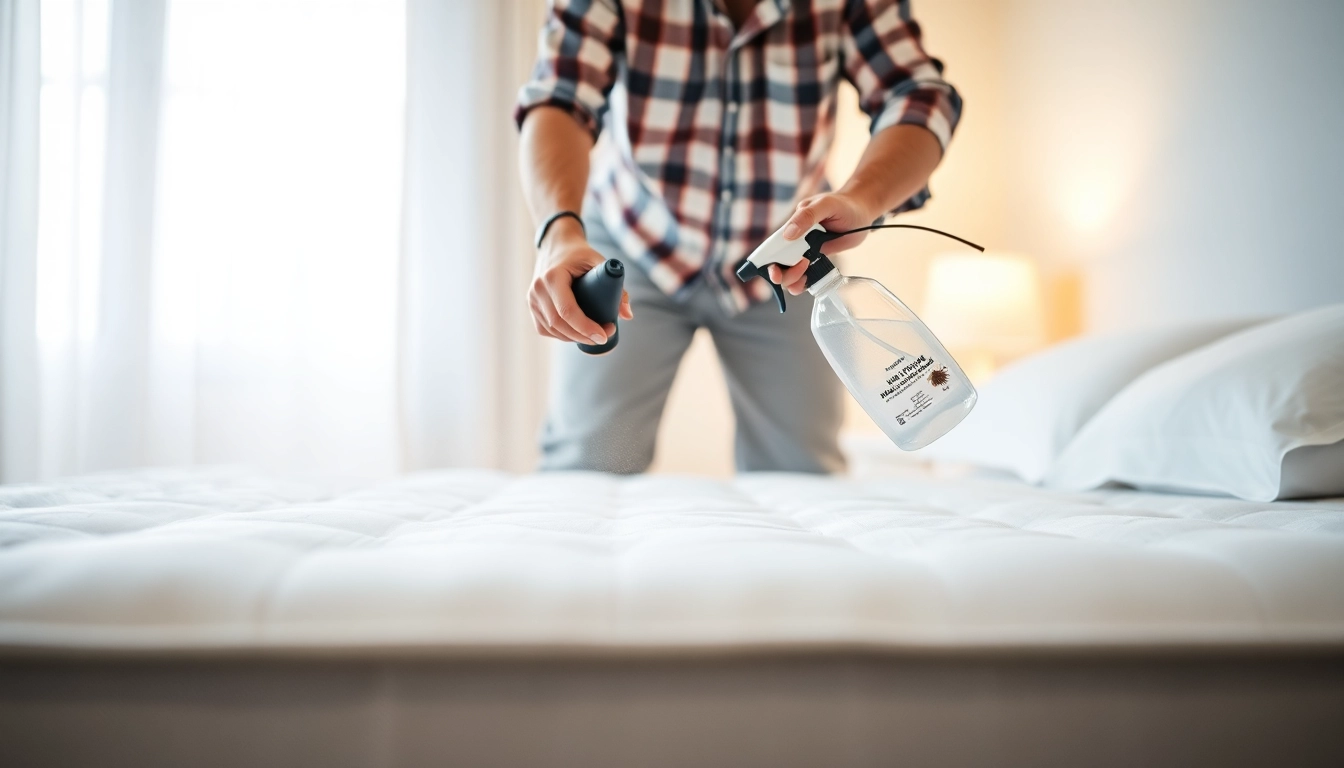
Understanding Bed Bugs: Nature and Habits
What are Bed Bugs?
Bed bugs (Cimex lectularius) are small, reddish-brown insects that feed on human blood, primarily at night. Adults are about the size of an apple seed and can be easily mistaken for various other pests. Despite their name, bed bugs can be found in more than just beds; they can inhabit various locations, including furniture, baseboards, and even personal belongings, making them challenging to eradicate without effective bed bug treatment.
How Bed Bugs Spread
Bed bugs often spread through social interactions, travel, and shared living spaces. They can cling to clothing, luggage, and furniture, allowing them to be transported to new locations. Once established, they reproduce rapidly, leading to larger infestations if not treated swiftly. Understanding their behavior is crucial to prevention and control. They prefer dark and secluded areas where they can hide during the day, which is why they are commonly found close to sleeping areas.
The Impact of Bed Bug Infestations on Health
While bed bugs are not known to transmit diseases, their bites can lead to intense itching, allergic reactions, and secondary infections. The psychological toll of an infestation can also be severe, as individuals may experience anxiety and sleep disturbances. Consequently, effective management through proper bed bug treatment is essential not just for comfort but also for physical and mental well-being.
Identifying Bed Bug Infestations
Signs of Bed Bug Presence
Identifying a bed bug infestation involves looking for telltale signs. Common indicators include:
- Red, itchy welts on the skin, often aligned in a line.
- Small, dark fecal spots on bedding or furniture.
- Empty bed bug shells and eggs in crevices.
- Unpleasant, sweet odor resembling ripe raspberries.
Prompt recognition of these signs can help in initiating a timely response to minimize infestation severity.
How to Check for Bed Bugs Effectively
Regular inspections are vital for early detection. Start by examining the seams of mattresses, edges of bed frames, and hidden corners of furniture. Use a flashlight to carefully check under cushions and behind baseboards, where bugs often hide. Consider utilizing bed bug detection tools, such as traps and monitors, as additional measures to confirm the presence of these pests.
Importance of Early Detection in Bed Bug Treatment
Early detection directly influences treatment success. The longer bed bugs remain undetected, the larger the infestation grows, complicating and prolonging the bed bug treatment process. Taking decisive action as soon as evidence is found decreases the likelihood of extensive damage and frustration, as well as the risk of health issues arising from prolonged exposure.
Professional Bed Bug Treatment Options
Understanding Chemical Treatments
Chemical treatments often involve using insecticides that are specifically labeled for bed bug extermination. These products can be effective when applied correctly, targeting both adult bugs and their eggs. It's crucial to follow the manufacturer's instructions and safety guidelines during application. Many modern insecticides have been formulated to minimize harm to humans and pets, while still maintaining efficacy against resistant bed bug populations.
Benefits of Heat Treatments
Heat treatment has gained popularity as a non-chemical approach to bed bug extermination. This method involves raising the temperature of infested areas to levels lethal to bugs—usually around 120°F (49°C). This is effective for reaching bugs hidden in walls, furniture, and other hard-to-access areas. Heat treatment also eliminates eggs that might survive chemical treatments, making it a comprehensive solution.
Integrated Pest Management Strategies
Integrated Pest Management (IPM) combines various strategies for effective bed bug control. It typically involves understanding the problem, monitoring pests, applying treatments (chemical or otherwise), and following up to ensure success. This holistic approach reduces reliance on any single method and adapts to changing conditions in an environment, thereby not only addressing current infestations but also preventing future occurrences.
DIY Bed Bug Treatment Techniques
Home Remedies for Bed Bug Control
Some homeowners may opt for DIY approaches such as using diatomaceous earth, essential oils, or even vinegar. While these methods can help to some extent, they are often insufficient for severe infestations. When exploring home remedies, it is essential to recognize their limitations and consider them as supplementary measures to enhance professional bed bug treatment efforts.
Step-by-Step Guide to DIY Removal
For those inclined to try DIY bed bug removal, consider this structured methodology:
- Thoroughly declutter and vacuum the infested area.
- Wash all bedding and fabric items in hot water and dry on high heat.
- Apply diatomaceous earth around the infested area, focusing on the edges of carpets and furniture.
- Monitor areas regularly with bed bug traps.
- Repeat the process as needed until completely eradicated.
This proactive approach can provide some immediate relief but should be coupled with professional help for long-term success.
Common Mistakes to Avoid in DIY Bed Bug Treatment
While many try to tackle bed bug problems independently, certain pitfalls can hinder effective treatment:
- Failing to cover all infested areas during treatments.
- Over-relying on home remedies without professional consulting.
- Neglecting to treat neighboring rooms or areas.
- Using ineffective or unapproved chemical treatments.
Awareness of these mistakes can help improve the chances of success and save time, money, and stress associated with extended infestations.
Preventing Future Bed Bug Infestations
Effective Tips for Prevention
Preventative measures are crucial in maintaining a bed bug-free environment. Here are effective strategies:
- Avoid acquiring second-hand furniture without thorough inspection.
- Install bed bug-proof mattress and box spring covers.
- Regularly check travel bags and belongings after travel.
- Maintain cleanliness by regularly vacuuming and washing bedding.
Implementing these actions can significantly reduce the chances of reinfestation.
Importance of Regular Inspections
Routine inspections can catch an infestation early. Centers of high risk, such as hotels or shared accommodations, should perform regular checks upon returning home. Establishing a regular inspection routine offers peace of mind and allows for quicker reaction times in addressing any potential problems.
When to Call a Professional for Bed Bug Treatment
If a bed bug infestation is suspected or confirmed, and DIY tactics do not achieve desired results, it is crucial to consult a pest control professional. Indicators that professional help is needed include severe infestations, repeated sightings of bed bugs, or ineffectiveness of previous attempts at control. Professionals are trained and equipped to handle complex infestations and can provide long-term solutions.
Frequently Asked Questions
How do I know if I have bed bugs?
Look for visible signs like bites on your skin, blood spots on sheets, and dark fecal spots on mattresses. Regular inspections can assist in early detection.
Can you get rid of bed bugs on your own?
Yes, but it can be challenging. Effective DIY methods include vacuuming, laundering, and using diatomaceous earth, but professional help is often needed for serious infestations.
What do bed bugs look like?
Adult bed bugs are small, flat, and reddish-brown with an oval shape, roughly the size of an apple seed. They can be confused with other pests, so careful identification is crucial.
How long does it take to get rid of bed bugs?
The timeline varies based on the infestation's severity and treatment methods used. Effective treatments can take several weeks to months to fully eradicate all bed bugs.
Are bed bugs harmful to health?
While they don't transmit diseases, bed bug bites can cause itching and inflammation. Psychological effects due to insomnia and anxiety are also common.