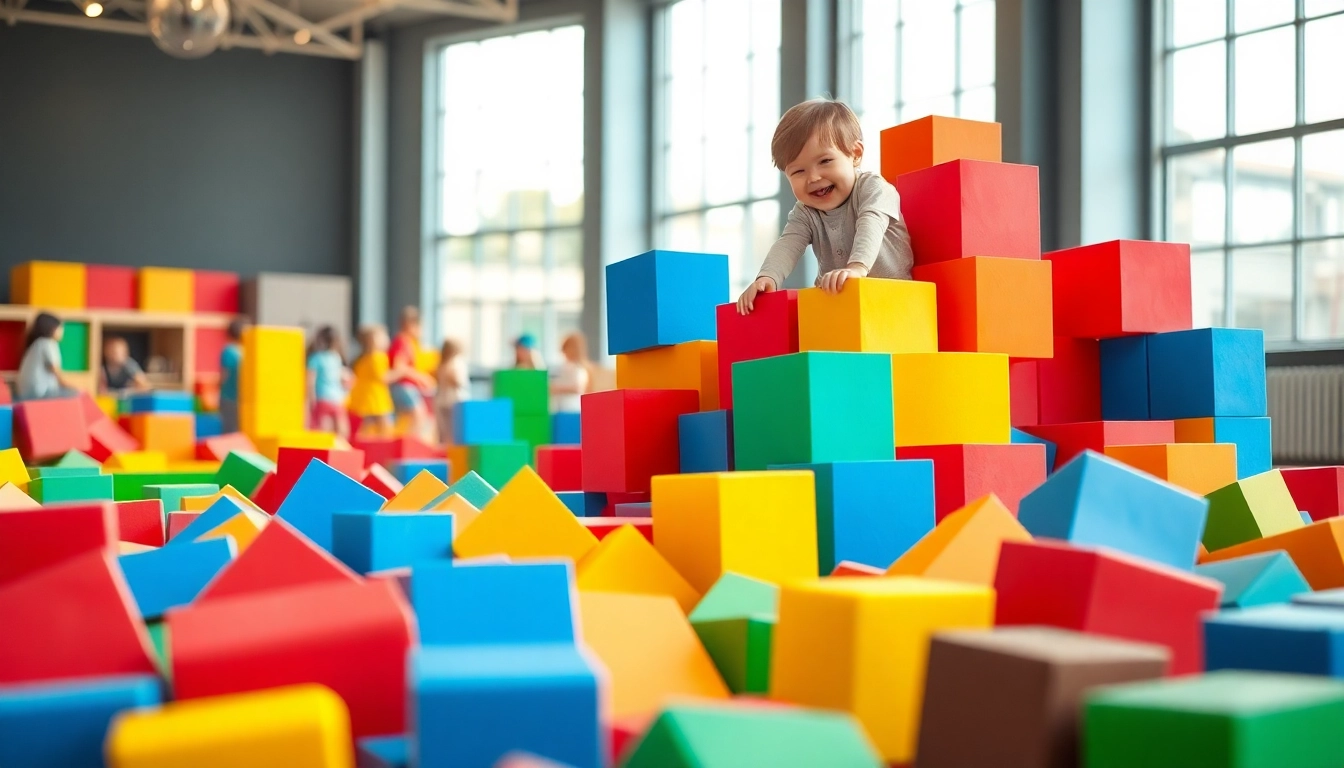
Introduction to Giant Foam Building Blocks
Giant foam building blocks are more than just toys; they are pathways to creativity, learning, and unstructured play. Made from soft, yet durable foam, these blocks can be found in various colors and shapes, allowing children to build anything from simple towers to elaborate structures. For parents seeking to engage their children in active, imaginative play, these blocks are a fantastic addition to indoor environments. For more details on the benefits and options available, this guide is your go-to resource.
What Are Giant Foam Building Blocks?
Giant foam building blocks are oversized, lightweight foam pieces designed for children to stack, balance, and construct with. These blocks are typically large enough that they can't be swallowed, making them a safe option for young kids. The softness of the foam also minimizes injury risk, allowing children to play energetically without the fear of danger. They come in various geometrical shapes, providing endless possibilities for structure creation and imaginative play scenarios.
Benefits of Play with Foam Blocks
Playing with giant foam blocks contributes to several developmental benefits. First and foremost, they encourage physical activity, which is crucial for a child's health. Children engage their muscles and improve coordination as they lift, stack, and balance the blocks. Additionally, the free-form play encourages creative expression. Kids learn problem-solving skills as they navigate how to construct stable designs. Moreover, the sensory experience of handling soft, textured materials can be calming and enjoyable, providing an excellent outlet for their energy.
Choosing the Right Type for Indoors
When selecting foam building blocks for indoor use, it's essential to consider factors such as size, foam quality, and safety features. Opt for blocks that are lightweight yet robust enough to withstand rough play. Ideal blocks should be large enough to prevent choking hazards, have no sharp edges, and be made from non-toxic materials. Choosing foam blocks in bright colors can also enhance visual stimulation, making them more attractive for children.
Creating Safe Indoor Play Spaces
Ensuring a safe indoor play environment is paramount when introducing giant foam building blocks. A thoughtfully designed play area can greatly enhance the benefits of these toys while minimizing potential risks.
Essential Safety Tips for Parents
Safety should always come first in any play setting. Here are some essential safety tips for parents:
- Always supervise children during playtime to prevent accidents.
- Clear the play area of sharp objects or hazards, ensuring a soft landing should a child fall.
- Instruct children on appropriate uses of the blocks, discouraging activities like climbing on them.
- Check the foam for wear and tear regularly, replacing any damaged blocks immediately.
Designing a Fun Layout
The layout of the play space is crucial in encouraging imaginative play. Design the area in a way that allows for multiple building stations, giving children the freedom to create independently or collaboratively. Use mats or plush carpeting to create a comfortable, soft base. Also, consider incorporating visual cues or themes, such as a cityscape or a jungle, to spark inspiration and guide their play.
Incorporating Other Play Elements
To make the most of indoor playtime, consider integrating additional elements into the play environment. Soft balls, cushions, and other non-toxic toys can enhance interactions with foam blocks. For instance, soft balls can serve as 'building materials' that kids can throw into their structures for added fun. Additionally, consider installing mirrors, which can add a dynamic visual element and stimulate more imaginative play.
Educational Benefits of Foam Blocks
Beyond mere play, giant foam building blocks serve as powerful educational tools that can foster multiple areas of development in children.
Encouraging Creativity and Imagination
The first thing many children do when given a set of foam blocks is not to follow a prescribed plan but rather to let their imaginations run wild. This unstructured play allows them to express themselves creatively. They learn to visualize structures in their minds and execute their ideas using the blocks, building confidence in their creative abilities.
Development of Motor Skills
Interacting with foam blocks requires a variety of physical skills, from fine motor skills like gripping and stacking to gross motor skills such as lifting and throwing. As children engage in play, they enhance their hand-eye coordination, balance, and spatial awareness through active participation. These fundamental motor skills are crucial as they lay the groundwork for future sports and activities.
Teamwork and Social Skills Through Play
When foam blocks are used in a group setting, children learn valuable social skills. They must communicate, negotiate, and collaborate to successfully build their structures. This fosters teamwork and provides practice in conflict resolution when disagreements arise. The social nature of play with foam blocks teaches kids the importance of cooperation and sharing.
Variety of Games and Activities
To maximize the play experience, consider various games and activities that can be played using giant foam blocks. These can help introduce new elements of fun and learning.
Fun Challenge Ideas for Kids
Challenge your children with exciting building tasks that encourage them to think critically and creatively. For example, set a timer and see how many blocks they can stack before time runs out or create a specific shape under certain guidelines. These challenges not only add excitement but also encourage problem-solving and critical thinking.
Group Activities and Competitions
Organizing group activities can elevate playtime significantly. Create teams and host friendly competitions such as “who can build the tallest tower” or “construct the most creative structure.” This fosters healthy competition and enhances social interaction among kids.
Interactive Learning Experiences
Foam blocks can also be utilized in interactive learning experiences. Use them to teach concepts like shapes, colors, numbers, and balance. For example, having children sort blocks by color or size can help reinforce foundational knowledge in a tactile way. This blend of education and play encourages learning without pressure.
Choosing the Best Foam Building Blocks on the Market
With numerous options available, selecting the best foam building blocks can seem daunting. However, understanding your needs and preferences can simplify the decision-making process.
Factors to Consider Before Buying
When choosing foam building blocks, consider factors such as size, material, and the variety included in each set. Look for blocks made from high-density foam to ensure durability. Additionally, consider the age suitability of the blocks to avoid hazards for younger children. If possible, purchase sets that come with a variety of shapes and sizes for maximum creative potential.
Popular Brands in the Market
Although specific brand names do not take precedence here, it's vital to choose manufacturers known for their safety standards and quality assurance. Investing in reputable products will ensure that you receive durable, non-toxic foam building blocks designed to withstand rigorous play while being safe for children.
Where to Purchase Quality Foam Blocks
Giant foam building blocks can be found in toy stores, educational supply stores, and online marketplaces. When purchasing online, always check customer reviews for insights into the product quality and safety. Additionally, reach out to other parents or forums to gather perspectives and recommendations based on experience.
FAQs
What age is appropriate for giant foam building blocks?
Giant foam building blocks are generally suitable for children aged 1 to 8 years, but always check packaging for specific age recommendations.
Are foam building blocks safe for babies?
Yes, as long as they are large enough to prevent choking and made from non-toxic materials, they are safe for babies to play with.
Can foam blocks be used outdoors?
While some foam blocks can be used outdoors, they are best suited for indoor use due to potential wear from weather exposure.
How do I clean foam building blocks?
Wipe foam blocks with a damp cloth and mild soap. Ensure they are fully dried before future play to prevent mold.
Do foam building blocks promote teamwork?
Absolutely! Playing with foam blocks in groups encourages kids to collaborate, communicate, and develop social skills alike.