Understanding Containerized Wastewater Treatment Systems
Containerized wastewater treatment systems represent a revolutionary approach to managing sewage and industrial effluent in a compact, efficient format. Designed within standard shipping containers, these modular units offer innovative solutions that can be deployed anywhere from remote construction sites to urban centers. With increasing concerns about water scarcity and pollution in 2026, understanding the complexities of containerized wastewater treatment becomes increasingly important for industries and municipalities alike. This article delves into the various aspects of these systems, exploring their components, benefits, deployment methods, and applications across different sectors.
What is Containerized Wastewater Treatment?
At its core, containerized wastewater treatment entails the use of pre-engineered systems housed within a shipping container format to treat, process, and oftentimes recycle wastewater. The design typically incorporates various treatment technologies, such as biological treatment, filtration, and disinfection, all tailored to meet specific water quality requirements based on the source of the wastewater.
The appeal of these systems lies in their adaptability; they can handle everything from municipal sewage to challenging industrial discharges. By situating the necessary equipment within a standard container, operators benefit from portability and rapid deployment capabilities.
Key Components of Containerized Systems
Containerized systems are equipped with various components that work synergistically to treat wastewater effectively. Common elements include:
- Influent Pumps: Responsible for bringing wastewater into the treatment system.
- Reactor Tanks: The heart of biological treatment, where microorganisms break down organic matter.
- Filtration Units: These ensure that solids are removed before effluent discharge.
- Disinfection Systems: Such as UV or chemical treatment processes to eliminate pathogens.
- Control Systems: Automate processes and monitor system performance to ensure optimal operation.
Benefits of Modular Wastewater Solutions
The modular construction of containerized wastewater treatment systems offers numerous benefits. Firstly, their design allows for modular redundancy; if one unit experiences failure or requires maintenance, others can continue operating, ensuring continuous service. Additionally, their compact size means they require minimal site space, making them ideal for locations where land is limited.
Further advantages include rapid deployment, low operational costs, and the potential for scalability. Operators can easily expand capacity by adding additional units as demand for treatment grows, thereby aligning with municipal or industrial needs without extensive capital investment.
Deployment and Installation Procedures
Efficient deployment and installation of containerized wastewater treatment systems are paramount for effective operations. These units can be positioned in a variety of environments, from urban to rural settings, enhancing their versatility.
Quick Setup Techniques for Containerized Units
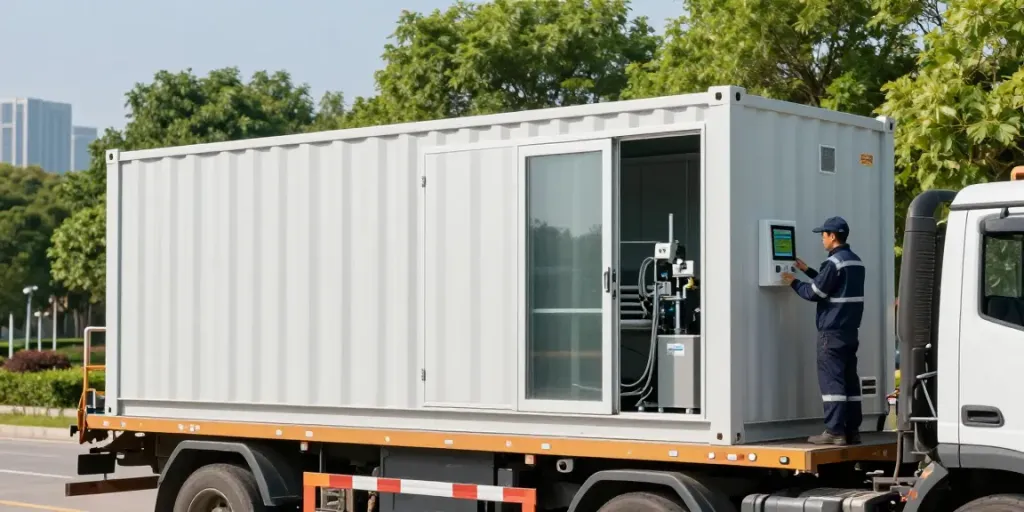
The installation of these systems typically requires just basic equipment—a flatbed truck for transport and a crane for positioning. Most installations can be completed within one to two days, allowing for rapid start-up without prolonged downtime. This expeditious setup is particularly beneficial in emergency situations where immediate treatment solutions are required.
Essential Equipment for Deployment
In addition to the containers themselves, effective deployment demands specific ancillary equipment, including:
- Transport Vehicles: To move the containers from storage to the installation site.
- Cranes: For positioning the units accurately on site.
- Utility Connections: Depending on the treatment requirements, connections for water and electricity may be necessary.
- Site Preparation Tools: Grading or leveling equipment may be required for installation.
Operational Flexibility and Site Requirements
Containerized systems can be designed to suit a variety of operational needs, adapting to different volumes of wastewater and varying treatment processes. These systems can work on-site with existing infrastructure or be used in remote areas where connections may not yet be developed.
Site requirements also hinge on local regulations, which often dictate specific operational parameters such as effluent quality and noise levels. Ensuring compliance through proper design and operation is crucial for successful deployment.
Applications Across Industries
The versatility of containerized wastewater treatment systems extends across numerous industries, each benefiting from customized solutions to their specific wastewater challenges.
Domestic Sewage Treatment Scenarios
Municipalities can leverage containerized systems for efficient domestic sewage treatment. These systems can be strategically placed in high-density urban areas, facilitating local treatment and significantly reducing the burden on central sewage treatment plants. They also act as a backup during emergencies or when existing plants are under maintenance.
Industrial Effluent Management
Industrial facilities, including those in sectors such as manufacturing, pharmaceuticals, and food processing, generate complex effluents that often contain harmful pollutants. Containerized systems can be configured to handle specific types of waste, ensuring compliance with environmental regulations while optimizing operational efficiency. By treating wastewater on-site, companies can minimize disposal costs and enhance sustainability.
Emergency Response and Disaster Relief
In the wake of natural disasters, the need for rapid wastewater management becomes critical. Containerized wastewater treatment systems serve as mobile treatment plants, capable of being deployed swiftly to affected areas. The ability to provide immediate treatment solutions helps mitigate health risks and supports recovery efforts in disaster-stricken regions.
Compliance and Environmental Considerations
With environmental regulations constantly evolving, understanding the compliance landscape is essential for successful operation of containerized wastewater treatment systems.
Meeting Regulatory Standards
Containerized systems must be designed to meet local and international wastewater quality standards. This includes adhering to effluent discharge limits and ensuring that treated water is safe for disposal or repurposing. Regular monitoring and documentation are necessary to maintain compliance and demonstrate operational integrity.
Sustainability Benefits of Containerized Solutions
Beyond compliance, containerized wastewater treatment systems inherently support sustainability initiatives. By reducing the reliance on centralized treatment plants and enabling local management of wastewater, these systems contribute to lower carbon footprints. Additionally, many modular solutions incorporate advanced technologies that facilitate water recycling and resource recovery, further promoting environmental stewardship.
Case Studies in Environmental Impact
Numerous case studies highlight the successful implementation of containerized systems in meeting environmental challenges. For instance, a municipal project in a developing nation showcased the deployment of containerized units to treat sewage, significantly improving local water quality and public health. These success stories provide valuable insights and best practices for future deployments.
Future Trends in Wastewater Treatment Technologies
The landscape of wastewater treatment is evolving rapidly, influenced by technological advancements and shifting societal needs. Understanding these trends will be vital for stakeholders in the containerized wastewater treatment market in the coming years.
Innovations in Containerized Systems for 2026
Technological innovations are expected to enhance the efficacy and capabilities of containerized wastewater treatment systems. Emerging trends include the integration of IoT sensors for real-time monitoring, AI-driven analytics for optimizing treatment processes, and advanced bioreactor designs that improve treatment efficiency. Such advancements will not only enhance operational performance but also enable predictive maintenance, reducing downtime.
Emerging Technologies to Watch
Key technologies that warrant attention include membrane bioreactors (MBRs) and advanced oxidation processes (AOPs). MBRs can provide higher quality effluent while minimizing footprint, making them ideal for containerized applications. AOPs, on the other hand, offer effective means to degrade persistent pollutants, enhancing the versatility and effectiveness of treatment solutions.
Market Predictions and Growth Opportunities
The global market for containerized wastewater treatment systems is projected to witness significant growth through 2026, driven by increasing awareness of water scarcity issues, stringent regulatory frameworks, and a focus on sustainable practices. Companies can capitalize on this growth by investing in innovative technologies, expanding their service offerings, and enhancing collaboration with municipalities and industries to meet burgeoning demand.