Understanding Australia’s Geographic Diversity
Australia is a uniquely fascinating continent, rich in diversity and characterized by its diverse landscapes and climates. As the sixth-largest country in the world, it boasts a wealth of natural wonders and geographic diversity that beckons both travelers and researchers alike. From the rugged Outback to lush rainforests, Australia presents a tapestry of geography that is both intriguing and enlightening.
The Unique Landscapes of Australia
Australia’s landmass is home to an array of ecosystems, each presenting unique features and characteristics. The following are some of the notable landscapes:
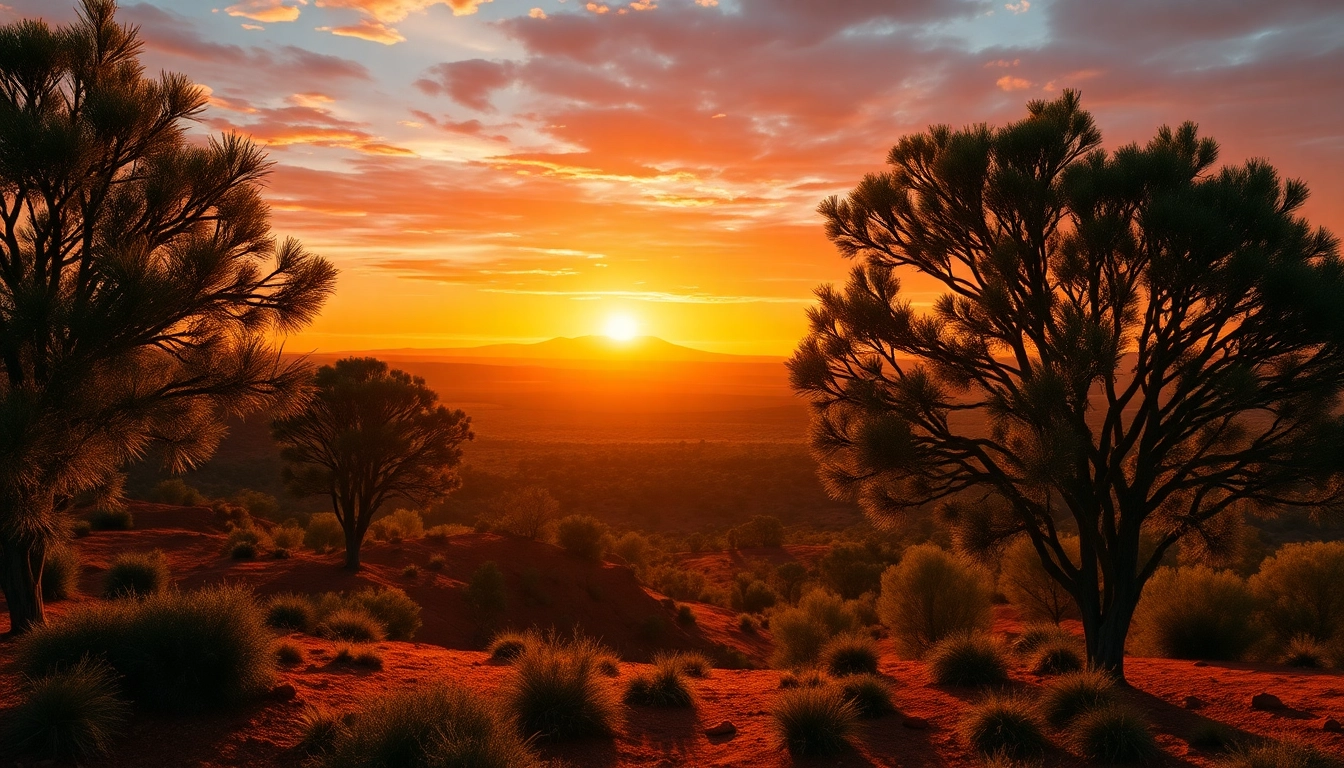
- The Outback: The iconic Outback is synonymous with Australia’s image. Stretching across vast distances, this semi-arid region is characterized by its red earth, unique rock formations like Uluru, and sparse vegetation. The Outback is essential for understanding Aboriginal culture, as it is rich in cultural sites and history.
- Coastal Regions: Australia has a coastline of over 36,000 kilometers. From the stunning beaches of the Gold Coast to the rugged coastline of Tasmania, the coastal regions offer surfing, diving, and an abundance of marine life.
- Rainforests: In contrast to its arid deserts, Australia is also home to beautiful rainforests, particularly in Queensland. The Daintree Rainforest is one of the oldest rainforests in the world and is recognized for its biodiversity, with species that are found nowhere else on Earth.
- The Great Barrier Reef: This UNESCO World Heritage site is the largest coral reef system globally and is vital to marine biodiversity. Stretching over 2,300 kilometers, it attracts divers, marine researchers, and eco-tourists alike.
- Mountain Ranges: The Great Dividing Range extends down the eastern coast and is filled with scenic views, hiking trails, and opportunities for skiing in winter. Key locations include the Snowy Mountains, where Australia’s highest peak, Mount Kosciuszko, is found.
Climate Zones Across Australia
The climate in Australia is varied, largely due to its size. Here’s a breakdown of the major climate zones:
- Tropical Climate: The northern regions, including places like Darwin, experience a tropical climate with a wet and dry season. This climate supports rich biodiversity, including unique wildlife.
- Desert Climate: Much of the interior is classified as desert, with extremely high temperatures in summer. These areas, such as Alice Springs, see limited rainfall and retain a fascinating array of flora and fauna adapted to survive.
- Temperate Climate: The southern regions, including Melbourne and Sydney, enjoy a temperate climate with four distinct seasons. This area is known for its vibrant cultural festivals and outdoor activities.
Natural Wonders and Heritage Sites in Australia
Australia’s commitment to preserving its natural environment is reflected in its numerous national parks and heritage sites. Some of the key sites include:
- Uluru-Kata Tjuta National Park: Home to the sacred Uluru rock formation, this park holds great significance for Indigenous Australians and showcases stunning landscapes.
- Kakadu National Park: A World Heritage site, Kakadu features rich indigenous culture, unique ecosystems, and is home to diverse wildlife, including saltwater crocodiles.
- Fraser Island: The largest sand island in the world, Fraser Island boasts rainforests, freshwater lakes, and is a haven for visitors seeking a combination of relaxation and adventure.
Delving into Australia’s Rich Cultural Heritage
Australia's cultural landscape is as varied as its geography, shaped by a rich history and diverse influences. The country is known for its Indigenous cultures and blends of immigrant traditions.
Indigenous Culture and Traditions of Australia
The Indigenous peoples of Australia, comprising two main groups — Aboriginal Australians and Torres Strait Islanders — possess the world’s oldest living cultures, with histories that span more than 65,000 years. Their rich oral tradition, art forms, and profound spiritual connection to the land play a critical role in Australian heritage.
Indigenous art, particularly dot painting and bark painting, are celebrated around the world. Additionally, cultural practices such as the traditional dance forms and storytelling are integral to sustaining their heritage and sharing it with wider audiences.
Modern Multicultural Society in Australia
Today, Australia is known for its multicultural society, welcoming immigrants from various backgrounds. The influence of diverse cultures is evident in the country’s culinary scene, music, and festivals, notably significant annual events like “Vivid Sydney” and “Melbourne International Comedy Festival,” which showcase global talents alongside local artists.
The cultural amalgamation has not only enriched Australia’s artistic expressions but also fostered a greater understanding and appreciation of diversity among its citizens.
Art and Music Scene in Australia
The art scene in Australia is vibrant and dynamic, backed by a plethora of galleries, exhibitions, and festivals celebrating both contemporary and traditional forms. Major cities such as Sydney and Melbourne have internationally renowned museums and galleries.
The music scene, too, stands out, with Australia producing many artists who have gained international acclaim. Genres ranging from rock and pop to indigenous music like didgeridoo performances highlight the diverse musical landscape.
Traveling in Australia: What to Know
For those looking to explore Australia, understanding the culture, geography, and best travel practices is essential for an enriching experience.
Popular Destinations Across Australia
Australia is teeming with must-visit destinations that cater to all sorts of travelers. Some of the most popular spots include:
- Sydney: Famous for its iconic Opera House and Harbour Bridge, Sydney offers vibrant nightlife, stunning beaches, and a dynamic arts scene.
- Melbourne: Known for its eclectic coffee culture, arts, and endless alleyways filled with street art and boutique shops.
- Brisbane: A laid-back city with beautiful parks and proximity to the Gold Coast and Sunshine Coast.
- Perth: Isolated yet beautiful, with stunning beaches and access to nearby natural wonders such as Rottnest Island.
Travel Tips for Visiting Australia
Traveling in Australia could be both exciting and challenging. Consider the following tips:
- Pack Accordingly: Given the diverse climates, packing layers and sun protection is crucial.
- Use Public Transport: Major cities have reliable public transport systems, making it easier to explore without needing a car.
- Plan for Distances: Australia is vast, and travel times can be deceiving. Plan ahead to avoid long drives for short visits.
Sustainable Travel Practices in Australia
As travelers become increasingly conscious of their impact on the environment, Australia also emphasizes sustainable travel practices. This includes supporting local businesses, opting for eco-friendly tours, and respecting natural habitats. Travelers can contribute by minimizing waste and choosing accommodations that prioritize sustainability.
Living in Australia: Insights and Experiences
Life in Australia offers a unique blend of vibrant culture and high quality of living. However, there are aspects of daily life that newcomers should consider.
Cost of Living in Australia
The cost of living can vary significantly across different regions. Cities such as Sydney and Melbourne rank among the most expensive in the world, influencing housing, transport, and food costs. In contrast, smaller cities may offer a more affordable lifestyle. Understanding local salary expectations is essential for financial planning.
Education and Healthcare Systems in Australia
Australia has a robust educational system recognized globally. Primary and secondary education is compulsory, and institutions offer quality higher education, with several universities ranking among the best worldwide. The healthcare system is equally noteworthy, featuring a public healthcare system (Medicare) that provides citizens with access to essential services.
Job Market and Career Opportunities in Australia
The Australian job market is characterized by a skilled workforce and opportunities across various sectors, including technology, healthcare, and engineering. Networking and utilizing local job portals can enhance employment prospects. Understanding visa regulations is crucial for newcomers seeking work in Australia.
Australia’s Global Influence and Economy
As a prominent player in the global arena, Australia’s influence extends beyond its borders through trade, cultural exchanges, and international diplomacy.
Trade and Economic Growth in Australia
Australia enjoys a market-based economy, underpinned by sectors such as mining, agriculture, and services. Trade agreements with various countries bolster economic growth, establishing Australia as a critical trading partner in the Asia-Pacific region. Reliable metrics and statistics illustrate Australia’s economic resilience, which has shown consistent GDP growth.
Australia's Role in the Pacific Region
Geographically positioned between the Pacific and Indian Oceans, Australia plays a vital role in regional stability and cooperation. Its foreign policy emphasizes close relationships with neighboring countries, focusing on shared economic, environmental, and security interests. The active involvement in regional organizations showcases Australia’s commitment to fostering collaborative partnerships.
Impact of Tourism on Australia's Economy
Tourism significantly contributes to Australia’s economy, attracting millions of visitors annually. Iconic destinations and unique wildlife entice international tourism, making it an essential industry for job creation and economic diversification. Strategic marketing and sustainable tourism practices are increasingly vital for maintaining this sector’s growth.
FAQs About Australia
What is the best time to visit Australia?
The best time to visit varies by region. Generally, spring (September to November) and autumn (March to May) offer pleasant weather across most areas.
Is Australia safe for travelers?
Yes, Australia is considered one of the safest countries for travelers, but standard travel precautions should always be followed.
What are Australia’s official languages?
English is the de facto official language, but due to its multicultural population, many other languages are also spoken.
Is a visa required to visit Australia?
Yes, most travelers require a visa to enter Australia. There are various visa types based on the purpose of travel.
What unique wildlife can be found in Australia?
Australia is home to unique wildlife such as kangaroos, koalas, and platypus. Many species are found only in Australia, making it a biodiversity hotspot.