What is CRN Registration?
Definition and Purpose of CRN Registration
The Canadian Registration Number (CRN) is a unique identifier issued to ensure that the design of pressure vessels, piping systems, and other related apparatus meet stringent safety standards set by provincial regulatory authorities. Each CRN confirms that a design has been reviewed and deemed compliant with the codes and regulations governing its use within Canada. When a manufacturer seeks to install or operate pressure equipment, obtaining a CRN is not just a bureaucratic step; it is a legally mandated process aimed at safeguarding public safety.
Importance of CRN in Safety Compliance
CRN Registration plays a pivotal role in maintaining safety in industrial operations. It establishes a benchmark of quality and compliance that businesses must adhere to, thereby reducing the risks associated with potential malfunctions or hazardous failures. For example, pressure vessels without a CRN may indicate inferior engineering practices, potentially leading to catastrophic failures, which could endanger life and property. Thus, CRN serves not only as a regulatory tool but also as a hallmark of trust that assures stakeholders—including employees, clients, and regulators—that the equipment meets national and provincial safety standards.
Who Issues CRN Registration?
In Canada, CRNs are issued by various provincial safety authorities, each tailored to meet the local regulations and standards. These organizations are responsible for inspection and approval of design submissions, ensuring that all engineering practices comply with the respective province's safety codes. This decentralized approach allows local authorities to adapt to specific regional challenges while maintaining a high standard for public safety across the nation.
Process of Obtaining CRN Registration
Initial Steps for CRN Registration
The journey to obtaining a CRN begins with a thorough understanding of the project requirements. The first step often involves engaging with a qualified engineer or a recognized engineering firm that understands the specifics of the applicable design codes and regulations. It is essential to assess the type of pressure equipment concerned and confirm the local authority governing your project. For entities wishing to pursue CRN Registration, the following steps must be meticulously planned and executed.
Documentation Required for CRN Registration
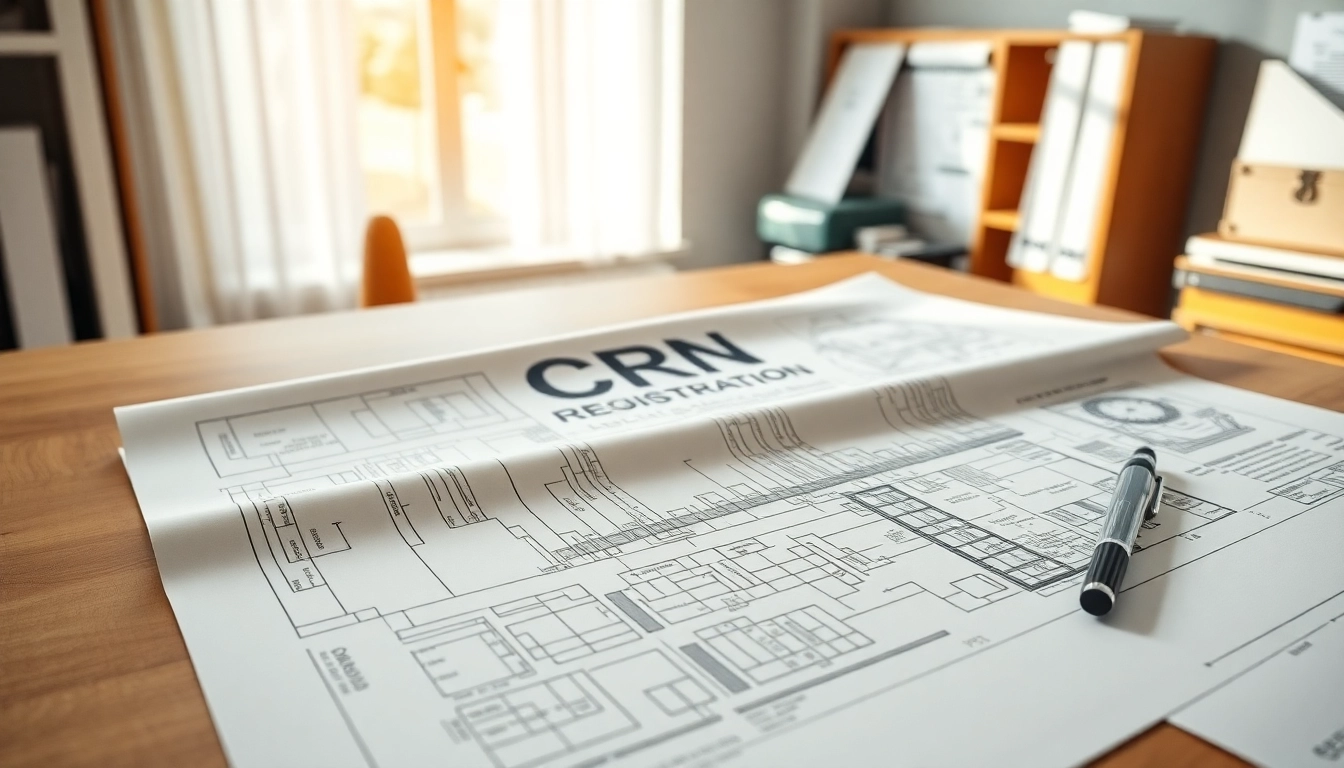
Documentation is pivotal to the CRN registration process. The types of documents required may vary by province but typically include:
- Detailed engineering designs and specifications of the pressure equipment
- Material test certificates and compliance certificates from recognized laboratories
- Calculations demonstrating the design’s compliance with applicable codes
- Manufacturer’s quality assurance plans
- Inspection records, if applicable
These documents serve not only as proof of compliance but also as evidence of due diligence in the engineering process.
Typical Processing Time and Fees
Processing time for a CRN application can vary significantly depending on the province and the complexity of the design. On average, applicants should expect a turnaround time of 4 to 8 weeks. However, this can extend if additional information is requested. Fees are typically incurred at various stages of the registration process and can range anywhere from a few hundred dollars up to several thousand, depending on the project scope and regulatory requirements.
Common Challenges in CRN Registration
Understanding Rejections and Revisions
One of the most challenging aspects of obtaining CRN Registration is managing rejections and the need for revisions. Designs that may seem compliant can face scrutiny based on specific interpretations of regulatory codes. It's imperative for applicants to carefully read the feedback provided and understand the basis for any rejection. This may involve re-evaluating design variables, material selections, or compliance with updated regulations.
How to Respond to CRN Registration Queries
Effective communication is critical when addressing queries related to CRN applications. Upon receipt of queries from regulatory authorities, applicants should respond promptly and comprehensively. This includes clarifying aspects of the design, providing additional documentation, or even rearranging project timelines to accommodate required changes. Keeping an open line of communication can considerably enhance the chances of a successful registration.
Addressing Regulatory Updates
Regulatory landscapes are subject to change, potentially impacting ongoing CRN applications. Applicants must stay abreast of new regulations that may come into effect during the registration process. Engaging with local safety authorities and participating in pertinent industry forums can provide insights into upcoming changes or interpretations of existing laws, which may necessitate modifications to an ongoing application.
Best Practices for CRN Registration Compliance
Regular Updates and Renewals
Once a CRN has been obtained, it's crucial to note that registration is not a one-time affair. Regular renewals may be required, and it is the responsibility of the entity to monitor these timelines. Companies should establish a compliance calendar that includes renewal deadlines, ensuring that no lapse in registration occurs. Regular audits of compliant machinery can uncover any potential issues before they escalate, safeguarding operational integrity.
Integrating CRN into Engineering Designs
Integrating CRN considerations into the initial stages of engineering design can streamline the registration process drastically. This entails working closely with engineers to ensure all documentation is appropriate and aligns with regulatory expectations from the outset. Early-stage considerations can mitigate unnecessary revisions and facilitate smoother transitions during the registration process.
Keeping Up with Provincial Regulations
Different provinces may have unique regulatory requirements for CRN Registration. Maintaining a keen understanding of these variances is essential for manufacturers operating in multiple jurisdictions. Regular training and updates for design and engineering teams can ensure that everyone is informed of the nuances of applicable regulations, which can enhance overall compliance and safety.
FAQs Regarding CRN Registration
How long does it take to obtain a CRN Registration?
The duration varies by province, but typically it takes 4-8 weeks for processing, depending on the completeness of your submission.
What are the fees associated with CRN Registration?
Fees vary by province and complexity of the design but usually range from a few hundred to over a thousand dollars.
Is CRN Registration necessary for all pressure vessels?
Yes, CRN Registration is required for all boilers and pressure vessels used in Canada to ensure safety compliance.
Can a CRN Registration be transferred to another owner?
Typically, CRN Registrations cannot be transferred; a new application may be required if ownership changes.
What documents are necessary for CRN Registration?
You generally need engineering designs, material specifications, and compliance certificates issued by a qualified engineer.